

Investment
Value is created across the hold, not at the closing.
Provided the asset is underwritten on what it will actually do, rather than on what the rent roll says today.
What we weigh before taking an asset to market.
Strategy for a sale is not a single number. Six variables set the price and the buyer pool, and they interact.
-
01
Net income
The starting point, and the most generic read on any asset. Necessary, never sufficient.
-
02
Location
Corridor, traffic and catchment, plus what the surrounding area is becoming rather than what it is today.
-
03
Investment quality
How the income is structured, how durable it is, and what it would take to disturb it.
-
04
Building quality
What the asset will demand in capital across the hold. Roofs, envelope, mechanical.
-
05
Tenant mix
Whether the tenants complement each other, and whether the mix can be improved.
-
06
Replaceability
If you lose a tenant to a midnight move, how quickly can that space be re-let, and at what rate?
Where we invest.
-
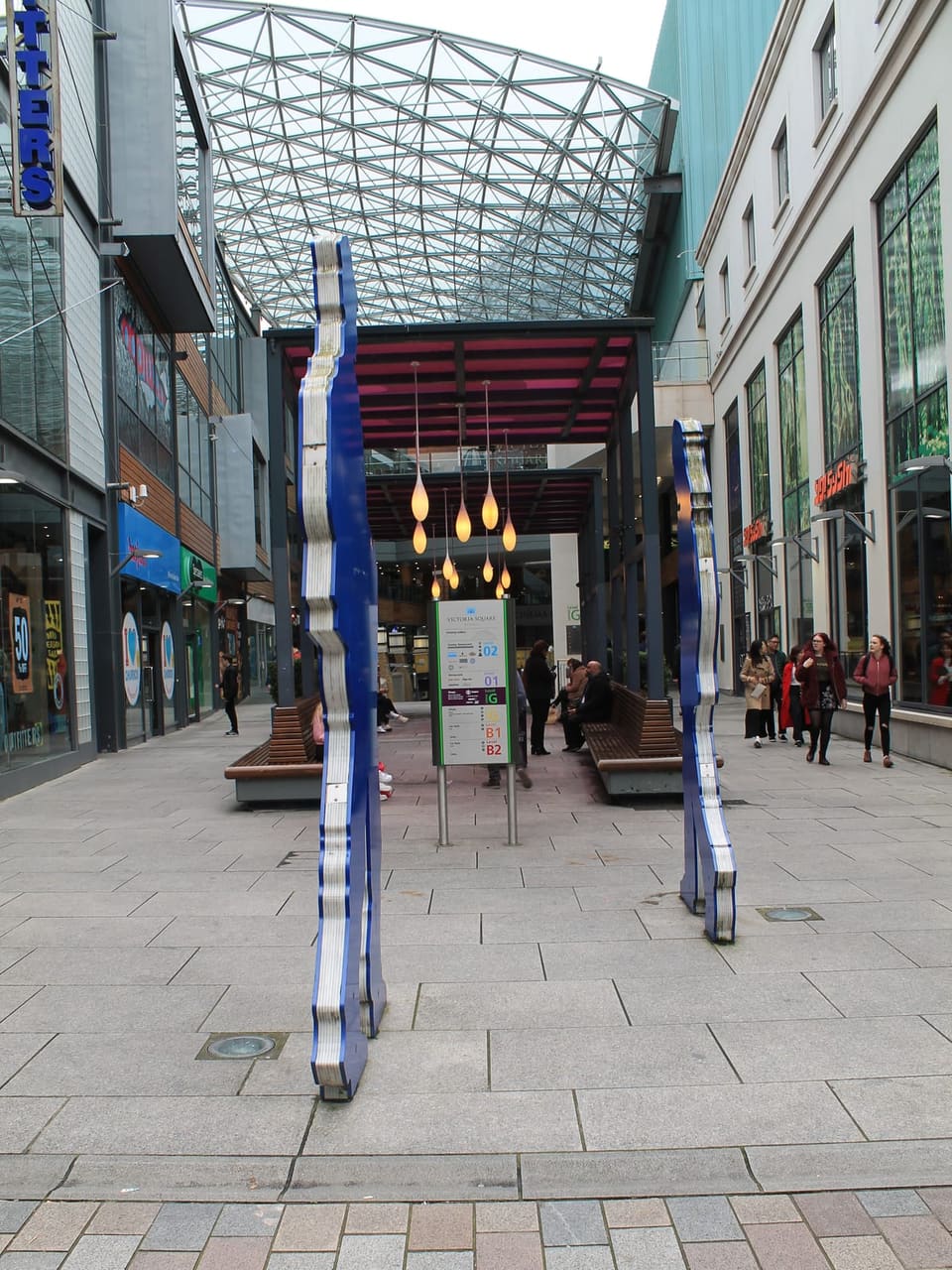
Assets and plazas
Retail assets with room to be repositioned, where disciplined leasing and a better tenant mix change the income profile rather than just the occupancy rate.
Discuss assets and plazas -

Industrial
Properties driven by tenant demand and constrained supply, assessed on covenant strength and functional configuration.
Discuss industrial -
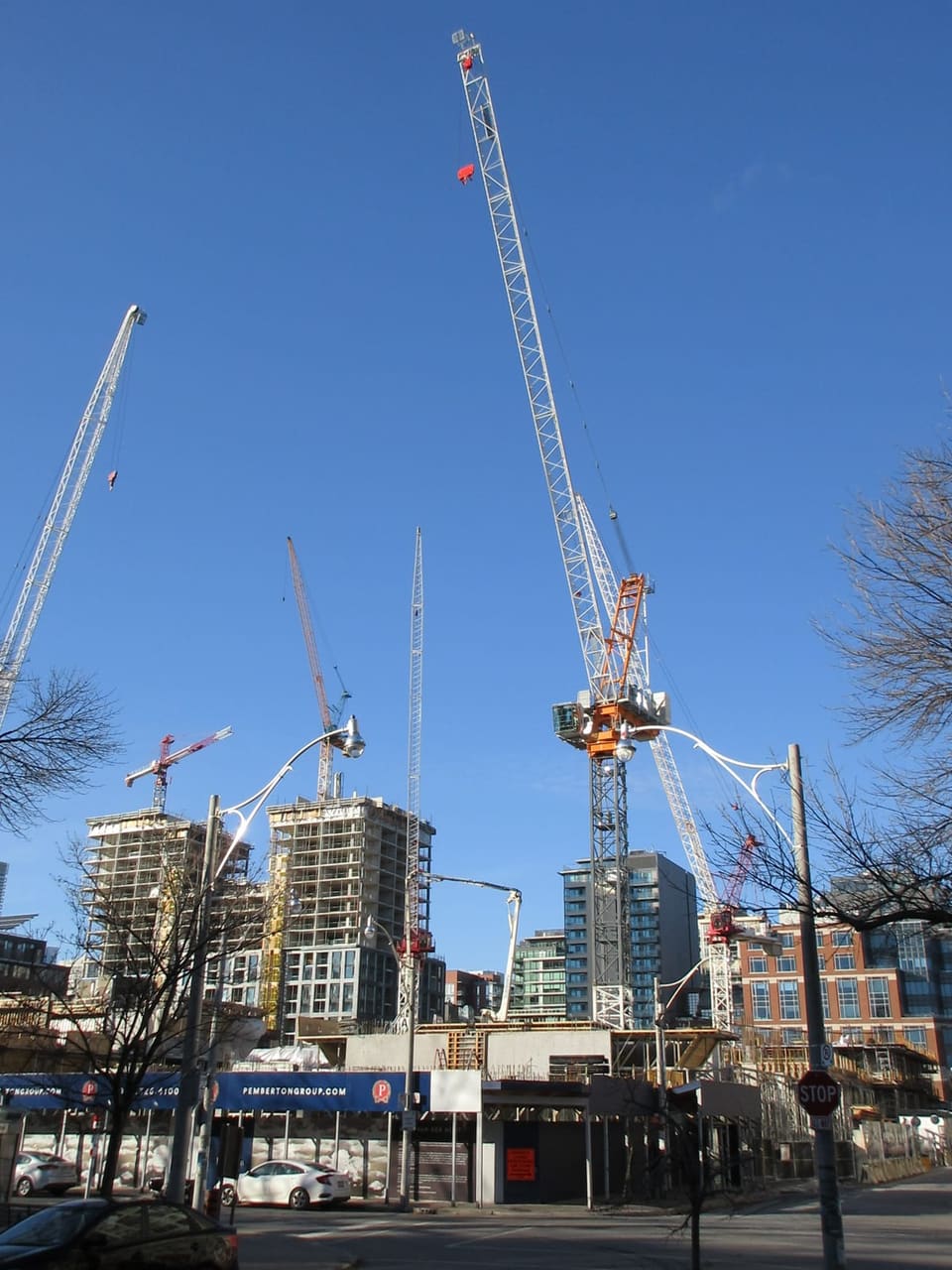
Development land
Sites evaluated on servicing, use, and a realistic path from acquisition to occupancy.
Discuss development land


Protecting cash flow.
Protecting cash flow is the owner's first priority, so it is ours. That means full financial reporting, your approval on every quote before work proceeds, and analysis aimed at reaching problems before they arrive.
We protect your cash flow the same way we would protect our own, in our own buildings.
Read the video transcript and description
Dina speaks directly to camera. No essential action occurs outside the spoken explanation.
Here at Zenith, we understand that protecting cash flow is your number one priority, especially in your buildings. We need to make sure that we are protecting your cash flow the same way that we would protect our own cash flow in our own buildings. And so we are going to provide all financial reporting to you guys.
We are going to ensure that you guys are good with all the quotes of anything that needs to be done before we do it, and we will be analyzing the data to make sure that we are getting ahead of problems before they actually do even become problems.
Quick checks
Two minutes, buying or selling.
Related Groundwork blogs
All GroundworkCommon questions
Investing questions we get asked.
What owners and buyers ask before they commit capital.
What is a cap rate actually telling me?
The relationship between a building net operating income and its price, and nothing else. It says nothing about whether that income is durable, which is the part that decides what the building is worth. A high cap rate on income from one tenant with a short term left is a different asset from the same cap rate spread across several tenants who are hard to replace.
Why do two buildings with the same income sell for different amounts?
Because income is one of six things that set the price and the least useful of them on its own. The others are location, investment quality, building quality, tenant mix, and how replaceable those tenants are. Two buildings with identical net income can be worth materially different amounts once you ask how likely that income is to still be there in five years.
Is a rent roll enough to underwrite a building?
No. A rent roll tells you what is being charged, not what is being collected, what is owed, or what the leases actually say. Ask for the leases themselves, the arrears, the operating cost history and the reconciliation statements. The gap between a rent roll and the leases behind it is where most of the unpleasant surprises live.
What should due diligence cover on a commercial purchase?
The leases and any amendments, the operating cost history and reconciliations, arrears, the property tax assessment and any appeal underway, environmental condition, the roof and mechanical systems and their age, and the status of any capital work that has been recovered from tenants. The building condition and the lease documents both matter, and reviewing one without the other leaves half the risk unpriced.
Do you act for buyers, sellers, or both?
One side per deal. We advise owners, buyers and investors on acquisition, disposition and repositioning, and on any single transaction we represent one party and advocate for that party only.
Product is scarce. Be ready.
There is a persistent shortage of quality product in this market, which means qualification matters before an opportunity appears rather than after.
This is not like buying a home. Whether the asset is industrial, retail or multifamily, you are assessing turnover, tenant stability and tenant mix, and you need to read a rent roll and reach a view quickly, because the market is genuinely competitive.
We work with buyers to have the structure in place beforehand, so that when the right asset surfaces the transaction closes cleanly.