

Leasing
The right space, on the right terms.
We advocate exclusively for your interests, on terms that hold up across the length of the lease.
Where we transact.
-
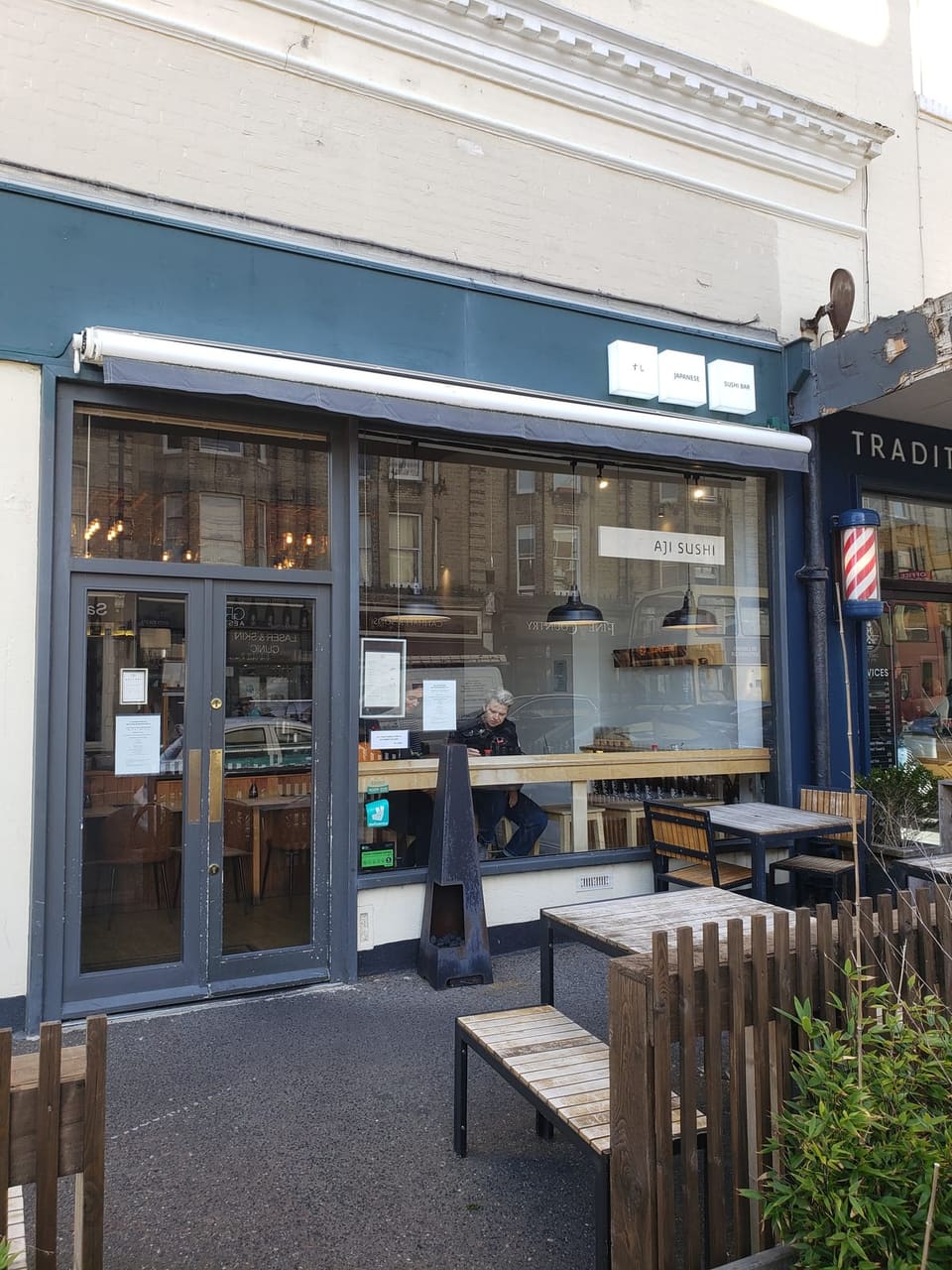
Retail
High-performing locations aligned to your customer base. We look at the corridor, the traffic, the co-tenancy, and whether the rent your concept can carry matches the space you are being shown.
Talk to us about retail space -
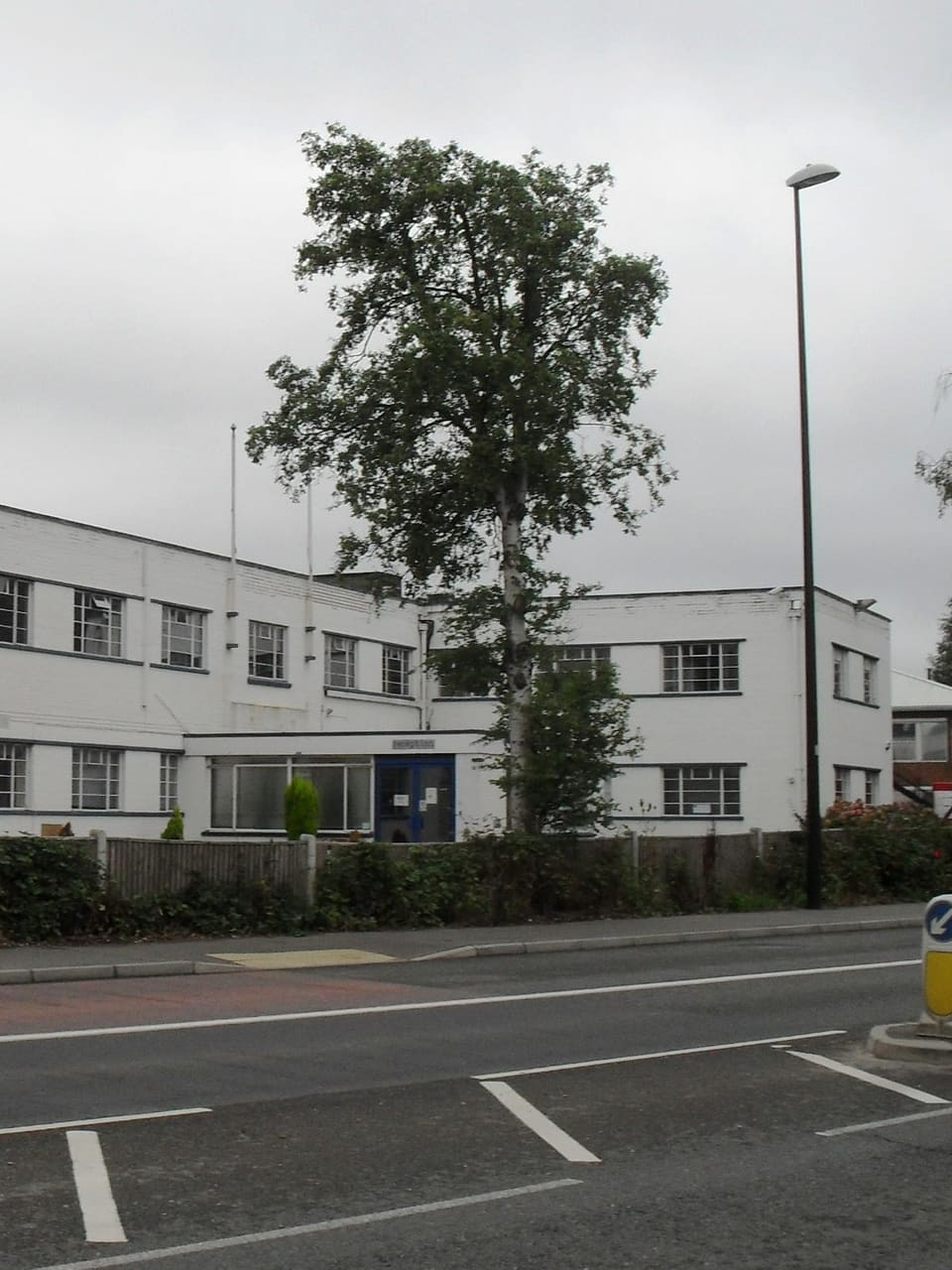
Industrial
Bay sizes, clear height, loading and yard, matched to how your operation actually runs rather than to whatever happens to be vacant.
Talk to us about industrial space -
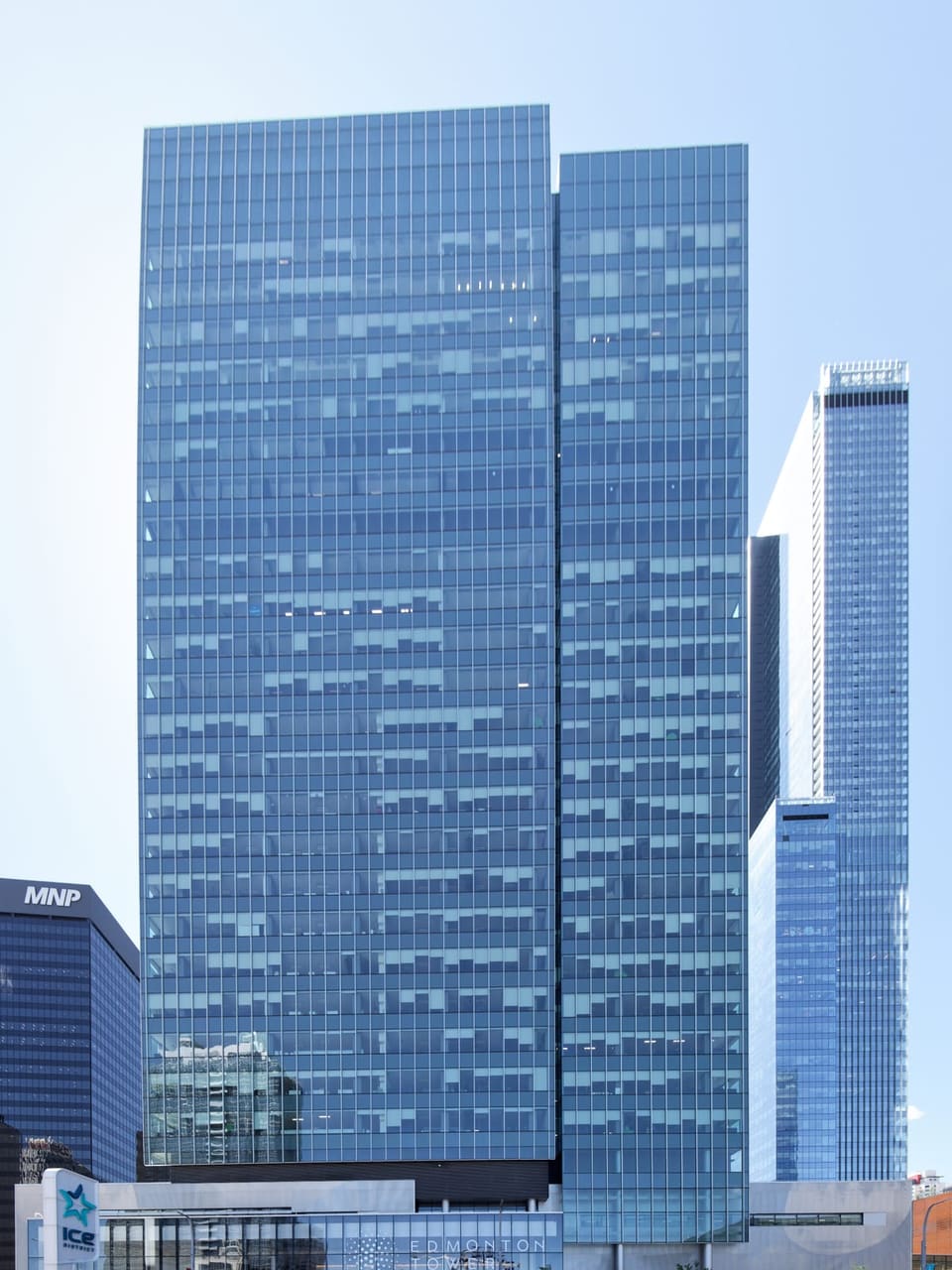
Office
Space that supports productivity, culture and business identity, on terms that leave room to grow or contract.
Talk to us about office space -

Land
Ground leases and development sites, assessed on use, servicing, and the realistic path to occupancy.
Talk to us about land space


We build your case before the meeting.
A national franchise walks into a landlord meeting with a plug-and-play business plan handed to them by the franchisor. Projections, fit-out standards, covenant strength, a track record across dozens of locations.
An independent operator often arrives with a better product and none of that, because they have spent their energy on the concept, as they should, and overlooked what the landlord is actually underwriting. So they go in unprepared, competing not only against a national covenant but against a gap in information they did not know they were being measured on.
Closing that gap is most of what we do before you ever see a space.
Case study
Bringing Miniso Land to Edmonton
Retail leasing
We brought the first Miniso Land in North America to Edmonton, at West Edmonton Mall. The video is the store on opening day.
Miniso Land is not a regular Miniso. It is the brand's flagship format: a much bigger store, built as a destination in its own right, with the room for character collections and themed displays that a standard Miniso has no space to carry.
A store that size only works with the foot traffic to fill it. West Edmonton Mall puts it directly in front of the customers the brand is built for: young shoppers, families and visitors who come to the mall for the day and make a stop like this part of the trip.
Our work was matching the format to a unit that could carry it, in the centre that fits its customers, so the first Miniso Land on the continent opened where it could do what it was designed to do.
Read the video description
Visual description of the Miniso Edmonton opening film; upbeat instrumental music plays throughout and nobody speaks.
The film opens outside the Miniso storefront with its character mascot and a large “MINISO Edmonton” display. The camera moves through shelves of gifts and other products, then shows shoppers and a busy checkout.
Performers dance in front of the store. The team gathers at the entrance and cuts a ribbon to mark the opening. The final shots return to the store and its displays.
Quick checks
Two minutes, before you call.
Common questions
Leasing questions we get asked.
What tenants and landlords ask before they sign anything.
What is additional rent, and is it on top of the rate you advertise?
On top. The rate is net rent. Additional rent is your proportionate share of the building operating costs: property taxes, building insurance, common area maintenance and a management fee. It is charged the same way, per square foot per year. Ask for the last two or three years of actual operating costs rather than the current estimate, because the estimate is what gets quoted and the actuals are what get reconciled.
The rate is quoted per square foot per year. What is that per month?
Take the net rate and the additional rent, add them, multiply by your area, and divide by twelve. That is your monthly occupancy cost before utilities, and it is the figure your sales volume has to carry. Working it out before you tour anything narrows the list faster than any other filter.
Who pays when something breaks?
It depends on the lease, and it is worth settling before you sign rather than after. In most commercial leases the tenant carries what is inside their own premises and the landlord carries the structure, the roof and the base building systems, with the cost of maintaining shared areas flowing back through additional rent. Where the line sits for things like rooftop units and storefront glass varies, so read the repair clause specifically.
Can I sublet or assign the space if my plans change?
Usually only with the landlord consent, and the terms of that consent are set by your lease rather than by custom. Some leases allow assignment on reasonable conditions, some allow the landlord to recapture the space instead, and some leave you liable for the rent even after somebody else takes it over. If there is any chance you will sell the business, that clause matters more than the rate.
The listing already has an agent. Do I need my own?
The agent on the listing is acting for the landlord. On any assignment we represent one side of the table and advocate for that side only, which means we will not act for you and the landlord on the same deal. If you want somebody reading the lease in your interest, that has to be somebody who is not also being paid to fill the space.
What should I have ready before the first tour?
Your area requirement, the volume your business needs to do, and what you can carry monthly once additional rent is included. Landlords also ask what a covenant looks like, so having financial statements or a business plan ready shortens everything. Turning up without the monthly number is how people end up committed to space they cannot fill.
Work the numbers first.
On a thousand square feet carrying five or six thousand dollars a month in overhead, there is a basic sales threshold you have to clear before anything else is true.
So we work through it. If you are selling coffee, can you sustain ten to twenty thousand cups a month simply to break even, before you cover expenses and reach profitability? There is one business in selling two hundred brownies to your community. There is a very different business in selling two thousand a week to make a profit.
Both are real businesses. They are not the same plan, and they do not justify the same space. We would rather ask the hard questions before a lease is signed than watch an operator find the answer eighteen months in.